How to Choose Paint Colours for Melbourne’s Small Rooms
A considered colour scheme can make a compact room feel cohesive and comfortable, but there is no single shade that reliably makes every small space look larger. In Melbourne homes, changing daylight, neighbouring colours and the room’s purpose all affect how paint appears. Test colours in the actual space before committing, and think about the walls, ceiling, trim and furnishings as a group.
Start with the room’s light
Notice when natural light enters and how its quality changes throughout the day. A north-facing room may receive stronger, warmer light, while a south-facing room can feel cooler. East- and west-facing spaces shift more noticeably between morning and afternoon. Nearby trees, buildings and window coverings also influence the light.


Instead of choosing a colour from a small printed sample, apply larger sample patches to more than one wall. Look at them in daylight and under the room’s usual artificial lighting. A pale neutral can appear unexpectedly yellow, grey or green depending on its undertone and surroundings.
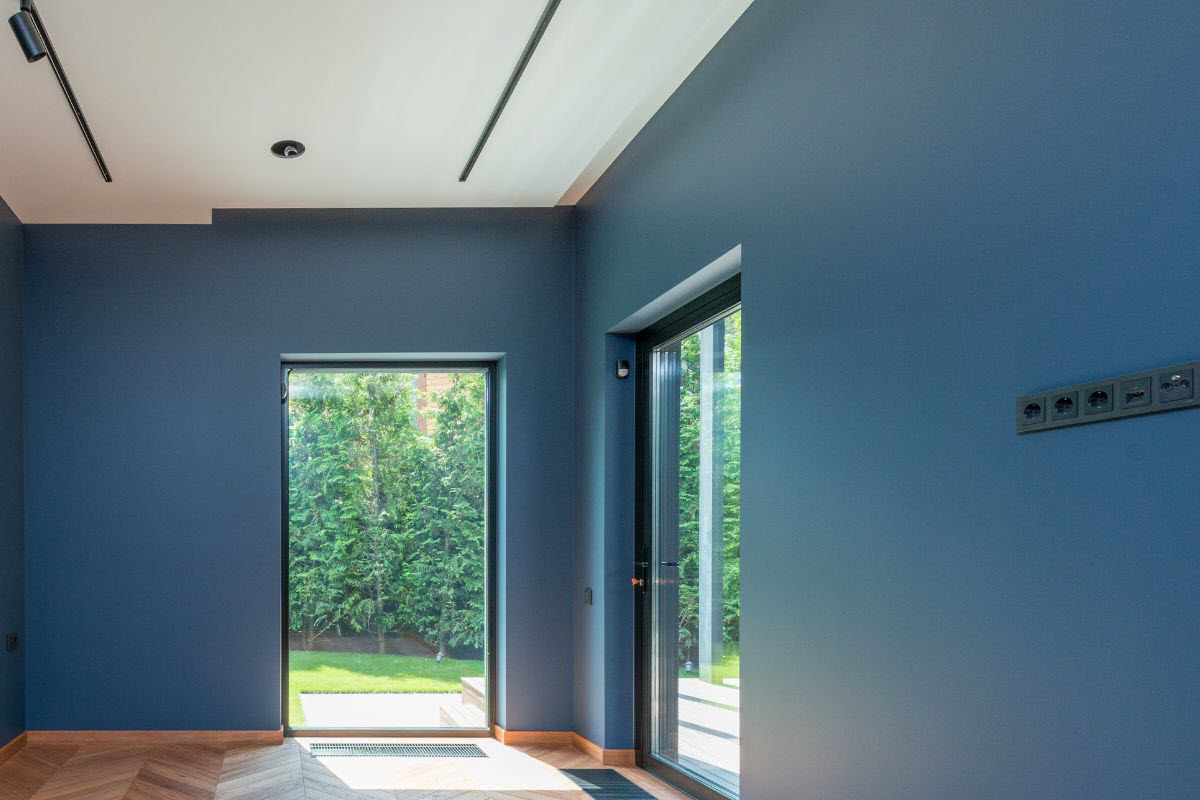
Use contrast with intention
Light colours can reflect more light, but a dark shade does not automatically make a small room feel cramped. A deeper colour may create a calm, enveloping effect, especially in a room used at night. The key is deciding whether you want the space to feel bright and open or intimate and defined.
- For a quiet, continuous look, use related tones on walls and trim.
- To draw attention to a feature, reserve stronger contrast for one area rather than adding competing accents everywhere.
- Consider the ceiling separately: a lighter ceiling may feel more open, while a coordinated colour can make the room feel more unified.
Match the finish to the surface
Colour is only part of the decision. A finish with https://melbournehousepaintingpros.com.au/exterior-painting/ more sheen can reflect light and may show surface imperfections more clearly. A flatter finish can soften reflections but may need more care in areas that are frequently touched or cleaned. Check the paint manufacturer’s guidance and choose a finish suited to the surface and its use.
Plan the whole scheme
Compare samples with flooring, curtains, furniture and adjoining rooms. In an open-plan home, a small room’s colour may be visible from another space, so consider how the tones connect. Before interior painting begins, confirm the selected colours, finish and boundaries between surfaces. Careful testing and surface preparation help the final result look intentional, whatever palette you choose.
Melbourne House Painting Pros
2/147 Swan St, Richmond VIC 3121
(03) 4051 5313